1990s
Reichsbahnbunker
Co-runner & Resident
Bunker Era Pioneer
Created the very early parties called Lets GO. First Berlin residency — co-running nights in the infamous bunker, laying groundwork for Berlin's techno renaissance.
Der ursprüngliche Rave-Pionier. Seit 37 Jahren prägt er Rave, Techno, Jungle, Drum & Bass und House auf fünf Kontinenten – von Londoner Piratensendern bis zum Berliner Industrial-Underground. - - - - - - - - The original rave pioneer. 37 years shaping rave, techno, jungle, drum & bass and house across five continents — from London pirate radio to Berlin's industrial underground.
Joey's journey began in London's explosive rave scene of the late '80s, where he quickly became a resident at iconic venues like Limelight and Turnmills. As the daily drive-time host on the pivotal Sunrise 88.75FM — a station every raver from the early '90s knew by name — Joey became the voice of a generation discovering electronic music's transformative power.
His influence extended far beyond the decks when he co-founded legendary pirate radio stations Kool FM 94.5 and Impact FM 88.2, creating central hubs for jungle and drum & bass culture across London. These stations didn't just play music; they promoted massive raves and became the heartbeat of the UK's underground movement.
As a resident DJ at massive UK events including Raindance, Biology, Fantastic Ibiza and Elevation, Joey commanded crowds of up to 30,000 ravers. His performances weren't just sets — they were transcendent experiences that defined an era.
Joey's global reach expanded to iconic festivals across Europe: Love Parade Berlin (1.2 million ravers), Nature One, Dance Valley in the Netherlands, Street Parade in Switzerland, and countless others across Germany including Fire Houzze, Dove of Peace and Teknopark.
In 1992, Joey made his decisive move into Berlin's evolving techno scene. By mid-1993 he had secured residencies at two of the city's most influential underground venues: Tresor and E-Werk, where his narrative-driven triple-turntable sets became legendary.
At the historic Café Moskau on Karl-Marx-Allee — a former DDR cultural hub reborn as a techno hotspot — Joey's performances helped bridge East and West Berlin's cultural divide. He launched the first weekly UK rave parties, "LETS GO", at The Bunker Berlin — the venue that later became the world-famous Berghain.
In 1990, Joey founded Strong Island Records, and by 1992 was releasing seminal tracks that became rave anthems. His productions under various aliases created a catalogue of classics: Fire & Ice as Thrillseekers, a rave staple that still ignites dancefloors. The Last E as DVuS, whose bell sample was used throughout the '90s and 2000s. Midnight Massacre as Mad Axe & Corporation — the Underworld Bronx River Mix.
Alongside a partnership with Rob Playford of Moving Shadow Records, and a collaboration with Model 500 on the Sakana EP.
Joey's touring schedule spanned five continents, with performances in Buenos Aires, Istanbul, Miami, Beijing, Johannesburg, Cape Town, Bangkok, Sydney and countless cities worldwide.
Beyond performing, he built an empire: Impact Bookings DJ Agency in the 1990s, representing Carl Cox, Glenn Wilson and Trevor Rockcliffe. World Dance Radio (WDRFM), running since 1998 — 27 years, with global franchises. And Strong Island Records, releasing continuously since 1990.
At the height of his success, a freak stage accident left Joey in a coma for eight weeks with a traumatic brain injury. The aftermath brought epilepsy that stole his ability to perform live. also wheelchair bound learning to use his legs once more. Just as he began recovery through groundbreaking surgery, a cancer diagnosis landed like a second blow.
Today, Joey Vasquez emerges not just healed, but reborn. His signature triple-turntable technique remains unmatched, and his mixing is as sharp as ever.
RED SHIFT — the eagerly awaited 11-track techno album, released August 2025.
The Mad Axe alias returns with the 2025 drum & bass comeback trilogy: Bounce, a club-ready weapon built for reloads. Gravest, dark and driving. Fire, pure rave ignition.
Plus extensive Latin tech house, vocal house and techno releases across Strong Island Records, Rawtracks, Audio and Rigaer Straße Records.
Techno, Tech House and mainstage. Club nights, festivals, radio and live-streams. Based between Berlin and London.
Berlin became a defining chapter in Joey Vasquez's career — a city where his UK-born energy collided with the raw industrial power of Germany's emerging techno movement. Throughout the 1990s and 2000s, Joey was a regular presence in the capital's underground, performing under his techno alias DVuS and contributing to the cross-pollination between London's rave culture and Berlin's harder, darker aesthetic.
Joey was part of the crews who helped shape the Berlin bunker era, performing and co-running nights inside the infamous Reichsbahnbunker on Friedrichstraße — the same environment that later influenced the ethos of Ostgut and Berghain. His sets brought a uniquely British intensity to Berlin's industrial spaces, merging UK hardcore and techno with the city's evolving sound.
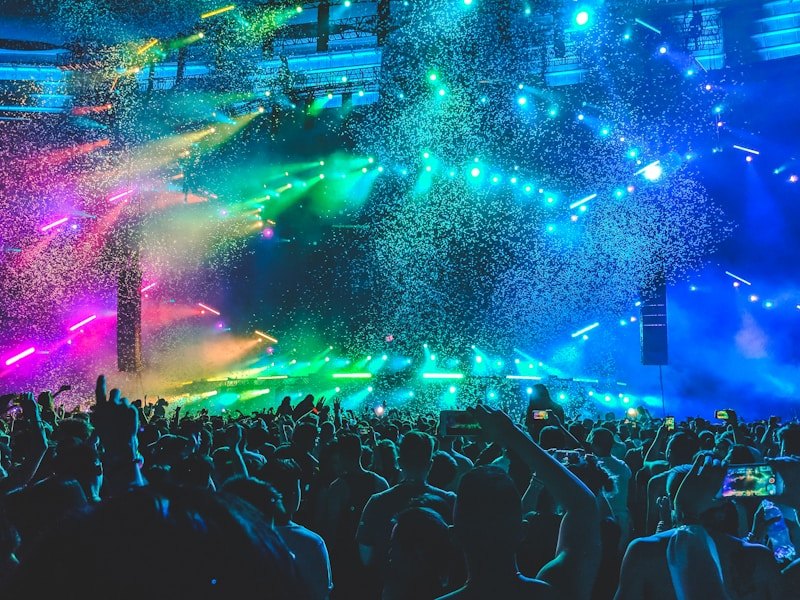
As Berlin's club landscape expanded, Joey became a recurring figure at some of its most important institutions, including Tresor, E-Werk, Maria am Ostbahnhof, and multiple Love Parade events. His DVuS sets were known for their precision, weight, and narrative flow — a style that resonated deeply with Berlin's uncompromising dancefloors.
Beyond the decks, Joey's presence in Berlin helped forge long-lasting creative bridges between the UK and German scenes. His work in the city stands as a key part of his global legacy — a period where he both influenced and was influenced by one of the world's most important techno capitals.
Co-runner & Resident
Bunker Era Pioneer
Created the very early parties called Lets GO. First Berlin residency — co-running nights in the infamous bunker, laying groundwork for Berlin's techno renaissance.
Regular Guest
Industrial Techno
Regular bookings at Berlin's most important techno institution.
Featured Artist
Peak Time Energy
Regular bookings at another important Berlin techno institution.
Guest DJ
Underground Sessions
Multiple Events
Festival Pioneer
First of multiple Love Parade performances, bringing UK intensity to Berlin's streets.
Early Supporter
Scene Builder
Played many times, influencing the techno sound.
Co-running nights in the infamous bunker, laying groundwork for Berlin's techno renaissance
First of multiple Love Parade performances, bringing UK intensity to Berlin's streets
Regular bookings at Berlin's most important techno institutions
Witnessing and contributing to Berlin's transformation into techno's global capital
Ongoing influence on Berlin's techno culture and continued performances
Joey Vasquez's impact on Berlin's techno scene represents a crucial bridge between UK rave culture and German industrial techno. His DVuS alias became synonymous with uncompromising quality and helped define the sound of Berlin's golden era — a legacy that continues to resonate in the city's clubs today.
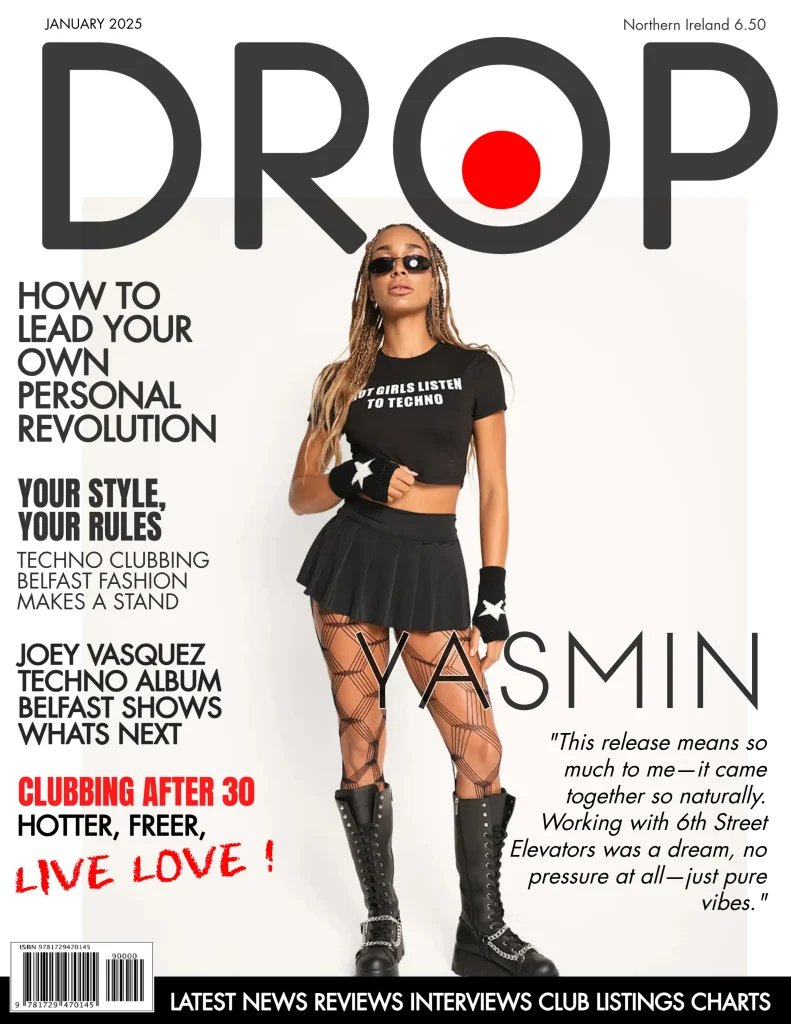
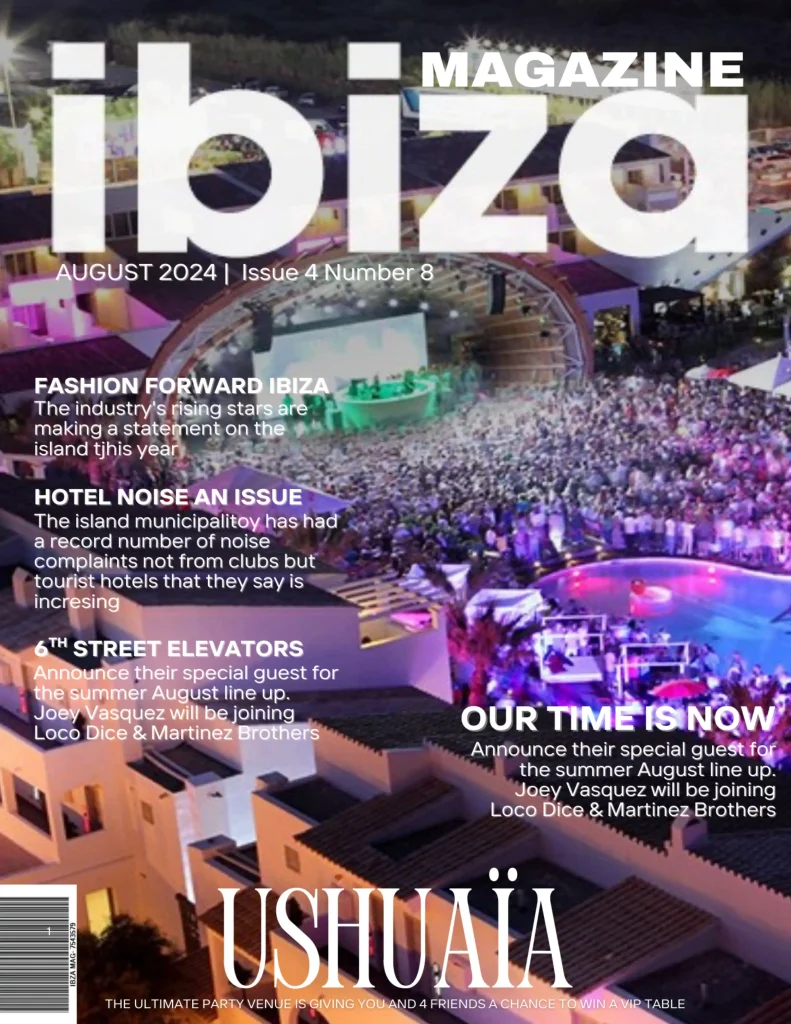

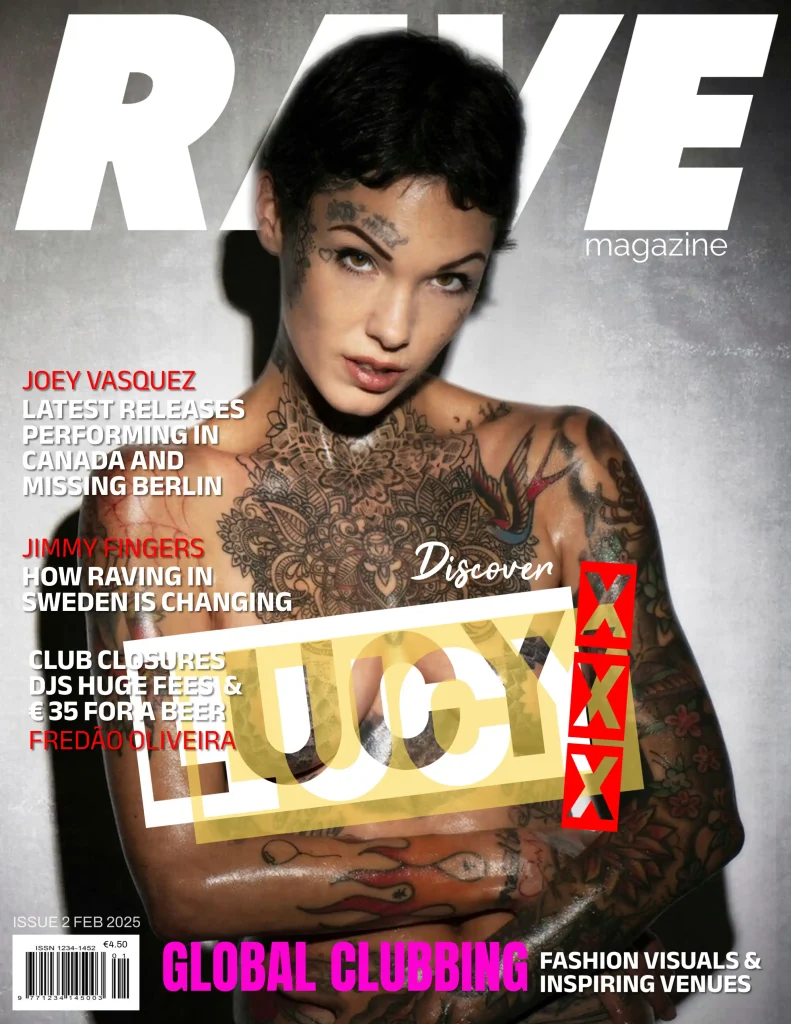
Building Rave Culture, Broadcasting a Movement, Forging the Berlin Bridge
There are artists who arrive after a culture has already been named, mapped, and monetized. Then there are those who exist before the language is written, when nothing is guaranteed and everything is risk. Joey Vasquez belongs firmly to the second group.
His story begins not with fame, but with presence — in rooms where history was being made in real time, long before anyone thought to document it. From the birth of UK rave in 1988, through pirate radio's golden age, to the concrete depths of post-Wall Berlin, Joey Vasquez didn't just witness electronic music culture. He helped build its foundations.
To step into the UK rave scene in 1988 was to step into unfinished history. Acid house, breakbeat, early techno, hardcore, and jungle had not yet separated into neat lanes. Everything collided at once, driven by ecstasy culture, political tension, and a hunger for freedom.
Joey learned his craft here — not from manuals, but from rooms full of bodies and untested sound systems. DJing became storytelling. You learned to read crowds instinctively, to mix with emotion, and to push boundaries because there were none yet. Mistakes were public. Success was instant. Survival required instinct.
That foundation would never leave him.
What separated Joey from many of his peers was not just selection, but method.
His sets became known for triple-deck mixing, unpredictable drops, and fearless blending of techno and jungle. He could strip a room back to tension, then detonate it in seconds. It sounded chaotic — but it never was. Every move was deliberate.
At massive events like Raindance, playing to crowds in the tens of thousands, and across pirate radio waves reaching deep into London, Joey helped define rave's emotional language: pressure, release, unity, rebellion.
In the mythology of UK pirate radio, Kool 94.5 FM is remembered as the jungle station – the place where DJs and MCs built careers, where breakbeats thundered across London tower blocks, and where an entire generation tuned in for their daily dose of rave culture. Its name has been immortalized in flyers, documentaries, and interviews, always spoken of as a cornerstone of the movement.
But there is one name missing from that history – the man who actually started Kool FM, who put the idea into motion and made it a reality: Joey Vasquez, known on the airwaves and in the clubs as Mad Axe.
For decades, Joey's role has been overlooked, his story buried under louder voices who took the credit and built reputations off the back of his vision. Now, after years of silence, Joey is breaking it open: "I founded Kool FM. I was Mad Axe, and I started that station. It's time people knew the truth."
The late 80s and early 90s were the golden age of UK pirate radio. With mainstream outlets ignoring rave, jungle, and hardcore, the only way to hear the music was to tune your dial to mysterious frequencies whispered about in clubs. Antennas perched precariously on tower blocks, transmitters hidden in locked rooms, DJs sneaking into buildings at night to keep the music alive.
Joey Vasquez was already a figure in the underground. A multi-genre DJ and producer performing under aliases like DJ Mad Axe, DVuS, Jimmy Fingers, Sakana, Circuit 68, and Thrillseekers, he understood both the technical side of radio and the cultural power it could unleash.
As he told Ravescene Magazine back in 1991, under his Mad Axe name:
"There's too many stations jumping on and off, no stability. I'm building something that's gonna last – 24/7 jungle, house, hardcore. Kool FM is about being consistent, being strong, being the station people can rely on."
And in 1991, that vision became Kool 94.5 FM.
Kool was different. It wasn't a random collection of DJs fighting for slots on a weak signal. It had structure, ambition, and a clear identity. Joey's vision was for a station that could unify the jungle scene, not just broadcast to it.
"I wanted Kool to be more than a radio station," Joey says now. "I wanted it to be the sound of the streets, a family, something people could tune into and feel like they were part of something bigger."
Back then, he was already spelling it out in print. In an Eternity magazine feature, "Pirate Voices of the Underground" (1992), Mad Axe was quoted:
"Kool's not about fame, it's about the people. You turn that dial and hear the bass, the MCs, the energy – that's us bringing the rave straight to your flat. If you can't get to the dance, Kool brings the dance to you."
It worked. Kool FM quickly became the beating heart of jungle culture. The names who came through its doors read like a who's who of the scene: DJs, MCs, and crews who went on to shape the sound of UK dance music.
But as the station's success grew, Joey's name began to fade. Others stepped forward, rebranding themselves as the founders, rewriting the story to centre themselves.
"People took the credit. That's the truth," Joey says bluntly. "I don't say it out of bitterness. I say it because history matters. Without me, there would have been no Kool FM. That's not opinion, that's fact."
And the evidence was always there. In a 1992 Echoes magazine piece, "Pirate Kings of London," Mad Axe described his role in setting up Kool's infrastructure:
"I sorted the rig, I sorted the link, I sorted the team. Without the tech, you've got no station. People talk about being 'the boss,' but trust me, I built this thing from the ground up."
These aren't hazy recollections years after the fact – they're contemporaneous records, printed in the middle of Kool's rise, proving Joey's role at the inception.
Some might ask: does it matter who started Kool FM, as long as the music survived? Joey's answer is clear. "It matters because culture matters. History matters. You can't erase the people who made it happen. If we let that happen, then we're letting lies replace the truth."
For Joey, this is not about reclaiming fame – he has had plenty of that in his 37-year career as a DJ, producer, label founder, and event organizer. It is about setting the record straight so future generations understand where their culture really came from.
"I've fought cancer, I've survived a brain injury, I've lived through things that make you look at life differently," Joey reflects. "But one thing I won't let go of is my truth. Kool FM was mine. I built it. And now I'm telling the story the way it really happened."
Even now, decades later, the impact of Kool FM is undeniable. From shaping the careers of jungle pioneers to inspiring modern drum & bass artists, its influence can be traced across dancefloors worldwide. And at the root of that legacy is Joey Vasquez.
It's time the history books were corrected. Kool FM did not appear from nowhere. It came from the vision, risk, and determination of one man: Joey Vasquez, aka Mad Axe.
And now, finally, the world knows the truth.
The Untold Story of Joey Vasquez aka Mad Axe and the Rise of Moving Shadow Records
In the early days of the underground rave scene, Joey Vasquez—better known as Mad Axe—played a pivotal but little-known role in shaping the identity of one of the UK's most influential record labels, Moving Shadow. His production of the all-time classic "The Last A" & "The Last E" introduced the now-legendary bells sample, a sound that would echo through countless tracks across the rave and jungle movements for years to come, and nobody knows this.
"The Last A" wasn't just another record—it was a forward-thinking piece that bridged continents. Its experimental energy drew comparisons to the groundbreaking work of Detroit visionary Derrick May, while firmly rooting itself in the raw, restless spirit of the UK rave underground. The title itself, "The Last A," and "The Last E" captured a cultural moment—symbolizing both the hedonism and the evolving soundscape of the era.
Through this track, Joey Vasquez aka Dvus not only gave Moving Shadow one of its earliest underground anthems but also left an indelible mark on the DNA of rave culture not only throughout the UK but worldwide.
In addition to "The Last A" and "The Last E," Joey Vasquez, operating under his DVuS alias, also contributed further defining material to Moving Shadow that helped shape the label's early underground identity.
These works include:
Released during Moving Shadow's formative period, T-10 / Thrillseekers continued the same forward-thinking, breakbeat-driven futurism that defined Joey Vasquez's contributions to the label. These tracks expanded the sonic blueprint established by The Last A and The Last E, reinforcing Moving Shadow's reputation as a home for experimental, boundary-pushing rave music at the point where hardcore, jungle, and techno were still mutating into new forms.
Together, The Last A, The Last E, T-10, and Thrillseekers form a core cluster of foundational Moving Shadow releases by Joey Vasquez (DVuS), cementing his role not only as a contributor, but as a key architect of the label's early sound and cultural direction.
In short:
Both represent cutting edge of their respective undergrounds-different sides of the same coin: forward-thinking, boundary-pushing music that defined their respective undergrounds and then rippled worldwide, showing how the U.S. and U.K. pushed electronic music forward on parallel but different trajectories.
In the global story of electronic music, few dialogues have been as rich and influential as the one between Detroit techno and the UK rave scene. On one side of the Atlantic, pioneers like Derrick May were crafting futuristic, soulful machine music that came to define techno. On the other, producers like Joey Vasquez—under his alias DVuS—were fusing raw breakbeats with hypnotic samples to fuel the chaotic energy of Britain's underground raves. At the center of this cultural exchange lies Vasquez's cult classic, "The Last A," a track that, while lesser-known outside the scene, stands as a symbol of how U.S. and U.K. visions of the future intersected and diverged.
By the late 1980s, Derrick May had already become a cornerstone of electronic music innovation. Alongside Juan Atkins and Kevin Saunderson—the "Belleville Three"—May took inspiration from Kraftwerk, funk, soul, and the decaying post-industrial landscape of Detroit. His productions, especially Strings of Life (1987), redefined what dance music could be: not just functional rhythm for the dancefloor, but emotional, transcendent soundscapes.
May described techno as "a complete mistake … like George Clinton and Kraftwerk caught in an elevator with only a sequencer to keep them company." His work was soulful yet futuristic, rooted in African American musical traditions while imagining something entirely new. In Detroit, techno was both art form and resistance—an assertion of creativity against decline, technology repurposed to dream of a better world.
Across the Atlantic, the very early '90s were defined by the UK's rave explosion. Acid house had cracked open the underground, and new mutations of breakbeat hardcore, jungle, and techno began spreading through warehouses, fields, and clubs. In this fertile chaos, Joey Vasquez—working under the alias DVuS (and also known as Mad Axe)—created one of the scene's enduring underground weapons: "The Last A & The Last E."
Released on the influential Moving Shadow label, the track's signature bells sample became legendary, echoed and re-sampled endlessly across rave, jungle, and hardcore records. Unlike Derrick May's polished, soulful minimalism, The Last E was frenetic, raw, and hypnotic—designed to drive a rave crowd into euphoria at 3 a.m. in a sweat-soaked warehouse.
The title itself carried a cultural resonance. In a scene defined by hedonism and excess, "The Last A" & "The Last E" felt like a tongue-in-cheek nod to the Acid & Ecstasy-fueled realities of rave life, but also a marker of finality—an anthem for a scene at once euphoric and apocalyptic.
The dialogue between Detroit and the UK during this era was constant. Records from May and his peers crossed the ocean, finding their way into the hands of London, Manchester, and Berlin DJs. At the same time, UK rave producers took the aesthetic futurism of Detroit techno and twisted it into something rawer, breakbeat-driven, and unmistakably British.
The Last E can be seen as the UK's answer to the kind of forward-thinking experimentation Derrick May embodied. While May sought timelessness, Vasquez and his peers sought immediacy, harnessing urgency and disorder as a form of innovation. Yet both were united by a common spirit: pushing dance music into uncharted territory, away from convention and into possibility.
Derrick May's work became the foundation of techno globally, influencing Berlin, London, and beyond. His tracks remain touchstones for producers seeking to balance emotional depth with electronic precision.
Meanwhile, Joey Vasquez's works like The Last A gave Moving Shadow one of its early underground anthems, helping establish the label's reputation as a home for experimental, boundary-pushing rave music. The bells sample in particular became part of the DNA of jungle and hardcore, a musical signature that symbolized the collective memory of the rave generation. His other works did equally the same and still hold timeless value within the worldwide rave scene culture.
Together, these two trajectories—Detroit's high-tech soul and the UK's rave anarchy—formed the backbone of global electronic culture. They were different voices in the same conversation: a transatlantic dialogue about the future, the body, and the machine.
Though separated by geography and culture, Derrick May and Joey Vasquez (Dvus) each captured the restless spirit of their time. Strings of Life and The Last E might sound worlds apart—one elegant and melodic, the other raw and relentless—but both were united by a shared ethos: to reimagine what electronic music could be, and to carry listeners into a future that didn't yet exist.
Theirs was not just music for the dancefloor, but music for transformation. And in that sense, Detroit and the UK were never far apart—they were two sides of the same revolution.
Berlin became a defining chapter in Joey Vasquez's career — a city where his UK-born energy collided with the raw industrial power of Germany's emerging techno movement. Throughout the 1990s and 2000s, Joey was a regular presence in the capital's underground, performing under his techno alias DVuS and contributing to the cross-pollination between London's rave culture and Berlin's harder, darker aesthetic. Joey was part of the crews who helped shape the Berlin bunker era, performing and co-running nights inside the infamous Reichsbahnbunker on Friedrichstraße — the same environment that later influenced the ethos of Ostgut and Berghain. His sets brought a uniquely British intensity to Berlin's industrial spaces, merging UK hardcore and techno with the city's evolving sound.
As Berlin's club landscape expanded, Joey became a recurring figure at some of its most important institutions, including Tresor, E-Werk, Maria am Ostbahnhof, and multiple Love Parade events. His DVuS sets were known for their precision, weight, and narrative flow — a style that resonated deeply with Berlin's uncompromising dancefloors. Beyond the decks, Joey's presence in Berlin helped forge long-lasting creative bridges between the UK and German scenes. His work in the city stands as a key part of his global legacy — a period where he both influenced and was influenced by one of the world's most important techno capitals.
1. Reichsbahnbunker
Resident, Bunker Era Pioneer - Created the very early parties called Lets GO (First Berlin Residency, Co-running nights in the infamous bunker, laying groundwork for Berlin's techno renaissance)
2. Tresor club berlin
Regular Guest, Industrial Techno - Regular bookings at Berlin's most important techno institution
3. E-Werk
Featured Artist, Peak Time Energy - Regular bookings at another important Berlin techno institution
4. Maria am Ostbahnhof
Guest DJ, Underground Sessions
5. Love Parade
Multiple Events, Festival Pioneer - First of multiple Love Parade performances, bringing UK intensity to Berlin's streets
6. Ostgut (Pre-Berghain)
Early Supporter, Scene Builder - Played many times influencing the techno sound
Joey Vasquez's impact on Berlin's techno scene represents a crucial bridge between UK rave culture and German industrial techno. His DVuS alias became synonymous with uncompromising quality and helped define the sound of Berlin's golden era — a legacy that continues to resonate in the city's clubs today.
A serious accident, epilepsy, and cancer forced Joey away from the stage. Music became healing. Production became reflection. When he returned, his work carried deeper emotional weight — shaped not by excess, but by survival.
Joey Vasquez's pioneer era is not nostalgia. It is construction:
Joey Vasquez is not just part of electronic music history.
He is one of its original architects.
Documented as a titled side/track pairing on Dvus – T-10 / Thrillseekers (Moving Shadow, 1991).
Verified "Mad Axe" mentions in public archives (1989–2000)
Because flyers/posters from this era are often not text-indexed (they're images), the most reliable searchable evidence online tends to be recordings, tracklists, and release pages. Here are the specific, dated items that can be cited cleanly:
Public searchable archives (text-indexed) turn up far fewer event-night flyer hits for "Mad Axe" by name; most relevant appearances for this era are currently better supported in interview/biography materials (Berlin residencies, etc.).
Die Epilepsie brachte mich zum Schweigen, gerade als ich auf dem Höhepunkt meines Erfolgs stand. Ich arbeitete aus dem Schatten heraus, angetrieben von der Sehnsucht, wieder eine Verbindung zum Publikum herzustellen. Doch ich bin aus dieser Stille hervorgetreten – mit einer klareren Vision und dem Bedürfnis, wieder gehört zu werden. ------------ Epilepsy silenced me at a time when I was on top of the world. I produced from the shadows, haunted by a desire to reconnect with the crowds. But I've emerged from that silence — with a clearer vision, and a need to be heard again.
JOEY VASQUEZ